The Science Behind Lithium-Ion Battery Design
A deep, practical guide that actually helps you understand how modern batteries work
Lithium-ion batteries are everywhere — electric vehicles, e-bikes, solar storage systems, laptops, and even home backup solutions. But most people only see numbers like 36V, 48V, 10Ah, 2kWh and assume that’s all there is.
In reality, lithium-ion battery design is a carefully engineered balance of chemistry, material science, thermal control, and electronic intelligence. If you truly understand how these batteries are designed, you’ll make smarter buying decisions and extend battery life significantly.
Let’s break it down in a way that is technically deep — but easy to understand.
1️⃣ What Actually Happens Inside a Lithium-Ion Battery?
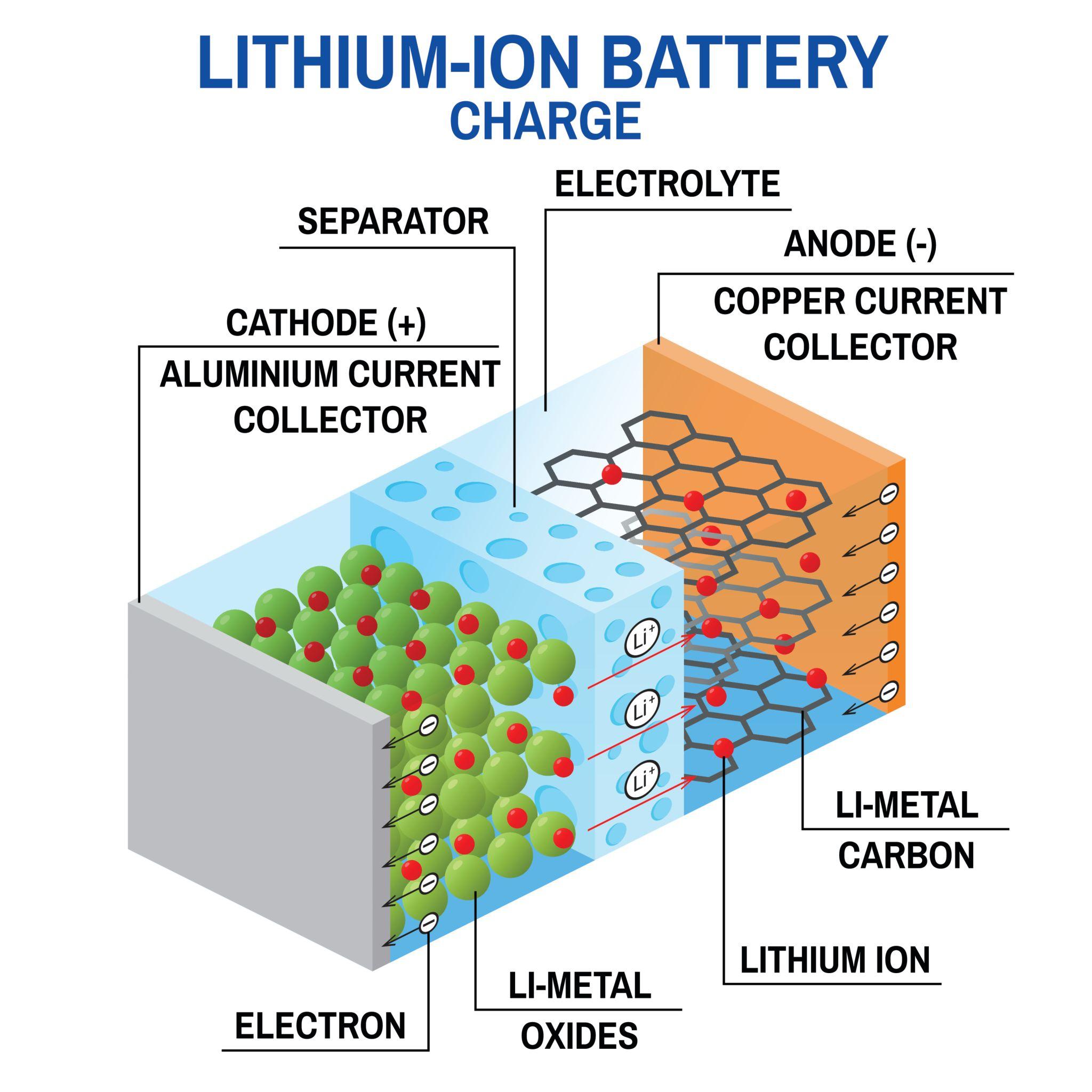
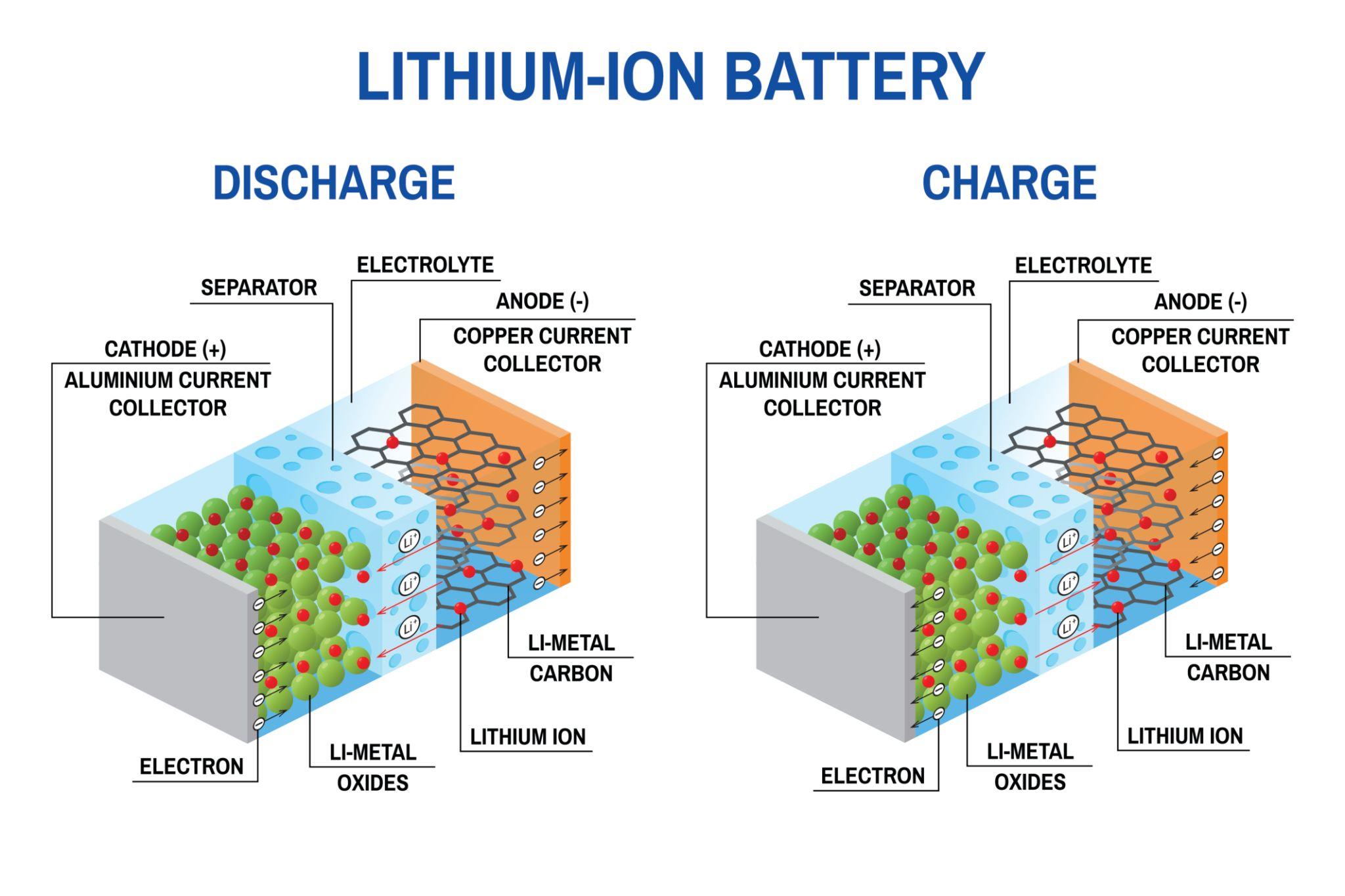
A lithium-ion cell has four essential components:
-
●
Anode (Negative electrode) – Usually graphite
-
●
Cathode (Positive electrode) – Lithium metal oxide (NMC, LFP, etc.)
-
●
Separator – Prevents short circuit but allows ions to pass
-
●
Electrolyte – Medium that carries lithium ions
⚡ How Energy Flows
When Charging:
- Lithium ions move from cathode → anode
- Electrons flow through the charger
When Discharging:
- Lithium ions move back to cathode
- Electrons flow through your device (this powers your motor, inverter, or electronics)
💡 Key Insight
Lithium-ion batteries don’t store electricity. They store chemical energy that converts into electrical energy through controlled ion movement.
2️⃣ Why Lithium-Ion Batteries Are So Efficient
- One major reason lithium-ion dominates modern energy systems is high energy density.
⚡ Energy density means:
- ● More energy stored per kg
- ● Smaller and lighter battery packs
Compared to lead-acid batteries, lithium-ion can deliver:
Energy Density
3–5x Higher
Usable Capacity
Higher
Efficiency
90–95%
(Lead-acid: 70–80%)
This is why EVs can travel longer distances without becoming extremely heavy.
3️⃣ The Role of Cathode Chemistry (Where Performance Is Decided)
Not all lithium-ion batteries are the same. The cathode material determines performance.
| Chemistry | Best For | Strength |
|---|---|---|
| NMC | Electric Vehicles | High energy density |
| LFP | Solar & backup | Safety & long cycle life |
| LCO | Electronics | Compact design |
For example:
- If you want longer range → High energy density chemistry
- If you want long lifespan & safety → LFP is preferred
Battery design is always a compromise between:
- Energy
- Power
- Safety
- Cost
- Lifespan
There is no “perfect battery,” only optimized design for specific needs.
4️⃣ Thermal Management: The Most Critical Design Factor
Heat is the biggest enemy of lithium-ion batteries.
🌡 Optimal Temperature Range
When Temperature Increases
Internal chemical reactions accelerate
Degradation increases
Risk of thermal runaway rises
⚠ What is Thermal Runaway?
A dangerous chain reaction where heat generates more heat, potentially causing fire.
🛡 Modern battery packs include:
✔ A well-designed thermal system directly improves:
- ✔ Lifespan
- ✔ Safety
- ✔ Performance Stability
5️⃣ Battery Management System (BMS): The Brain
Lithium batteries cannot operate safely without a Battery Management System (BMS).
The BMS monitors:
- Voltage of each cell
- Temperature
- Current flow
- Charge level (SoC)
- Health condition (SoH)
It also:
- Prevents overcharge
- Prevents deep discharge
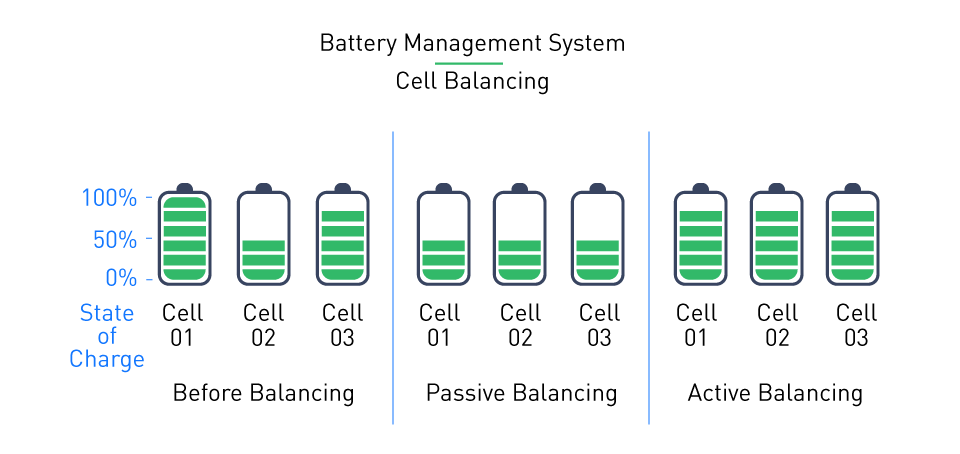
- Balances cells
Cell balancing is critical because if one cell overcharges, the entire pack becomes unstable.
A strong BMS is just as important as high-quality cells.
6️⃣ Why Batteries Degrade Over Time
Even premium lithium batteries lose capacity over time. This happens because of:
🔹 SEI Layer Growth
A protective layer forms inside the battery. Over time it thickens and reduces capacity.
🔹 Heat Exposure
High temperatures accelerate chemical aging.
🔹 High Voltage Stress
Constant charging to 100% increases wear.
🔹 Fast Charging
Higher current means more internal stress and heat.
This is why most lithium batteries are rated for:
2,000 – 4,000 cycles depending on usage.
Good design minimizes these stresses.
7️⃣ Internal Resistance & Real-World Performance
Internal resistance increases as batteries age.
High internal resistance causes:
✔ Voltage drop under load
✔ Reduced acceleration in EVs
✔ Increased heat
✔ Lower efficiency
Premium battery design focuses on:
Optimized electrode thickness
Better conductive materials
Stable electrolyte composition
This is what separates average batteries from high-performance ones.
8️⃣ What Users Actually Need to Know
If you’re buying a lithium-ion battery, focus on:
✔ Battery chemistry
✔ BMS quality
✔ Thermal protection
✔ Cycle life rating
✔ Operating temperature range
✔ Warranty support
Don’t just look at Ah or voltage — look at design quality.
🔚 Final Thoughts
Lithium-ion battery design is not just about storing energy. It’s about balancing chemistry, safety systems, thermal control, and electronic intelligence to create a stable and long-lasting power source.
🚀 When you understand the science behind lithium-ion batteries, you can:
Modern batteries are engineered energy systems — not simple storage boxes.
FAQs
1. What reduces lithium battery life the most?
Ans. Excess heat and constant full charging.
2. Is fast charging harmful?
Ans.Occasional fast charging is fine, but frequent high-rate charging increases degradation.
3. Why do EV batteries have cooling systems?
Ans.To maintain safe temperature and prevent thermal runaway.
4. How can I extend battery lifespan?
Ans.Avoid extreme temperatures and try to keep charge between 20%–80%.
5. Are lithium batteries safe?
Ans.Yes, when designed with proper BMS and thermal management systems.
Where can I get lithium-ion battery solutions in India?
Visit www.enlitso.com
Enlitso Research Team
A group of industry experts and researchers at Enlitso, working to advance lithium battery technology, promote sustainable energy, and provide insights into the evolving battery industry in India.
