Introduction
When selecting batteries for EVs, solar storage, or industrial backup, most content stops at Ah, Wh, C-rate, and DoD. But real-world battery performance depends on many deeper technical factors that are rarely explained clearly.
This comprehensive guide from Enlitso covers advanced battery concepts that help you understand performance, lifespan, safety, and efficiency at a professional level — in simple language.
🔋 1. Nominal Voltage vs Operating Voltage
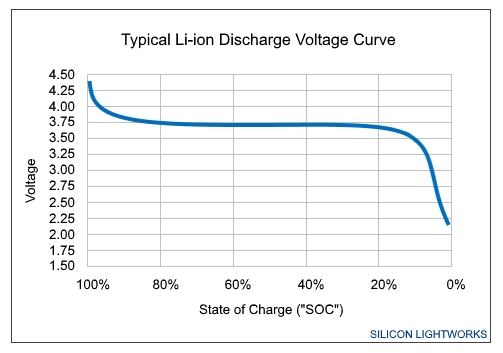
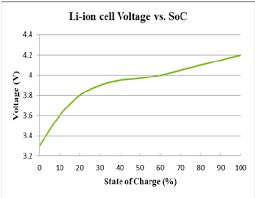
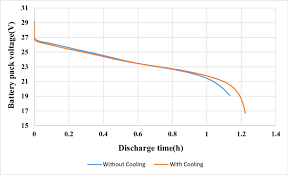
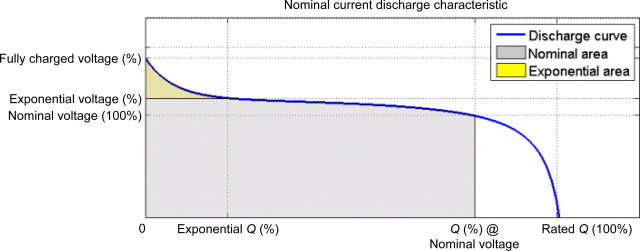
Every battery has a nominal voltage, which is an average value used for ratings. But in reality, battery voltage changes continuously during charge and discharge.
| Battery Type | Nominal Voltage per Cell | Operating Range |
|---|---|---|
| Lithium-ion (NMC) | 3.6–3.7V | 3.0V – 4.2V |
| LiFePO₄ | 3.2V | 2.5V – 3.65V |
| Lead-acid | 2V | 1.8V – 2.4V |
Why This Matters
Energy calculations based only on nominal voltage are approximations. Real energy output depends on the voltage curve under load.
⚡ 2. Internal Resistance (IR) – Hidden Performance Factor
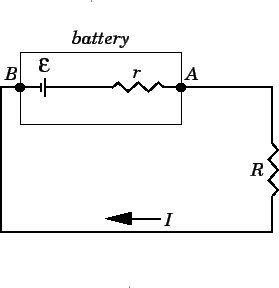
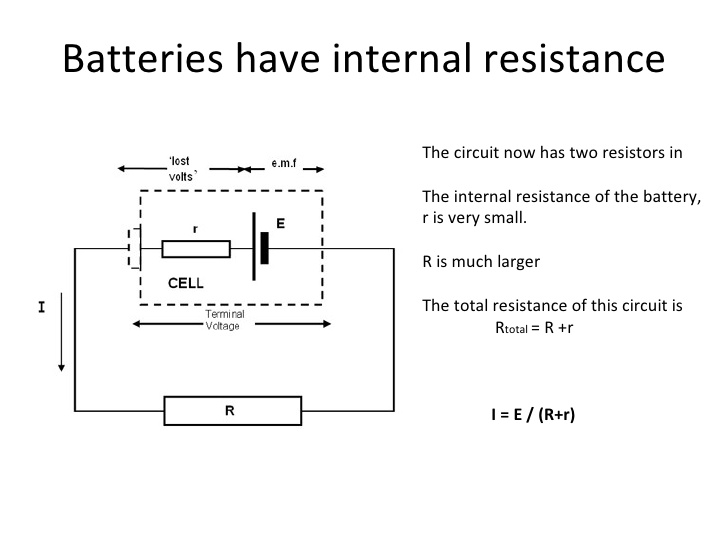
- Internal resistance is the opposition to current flow inside the battery.
🔄 3. Cycle Life vs Calendar Life
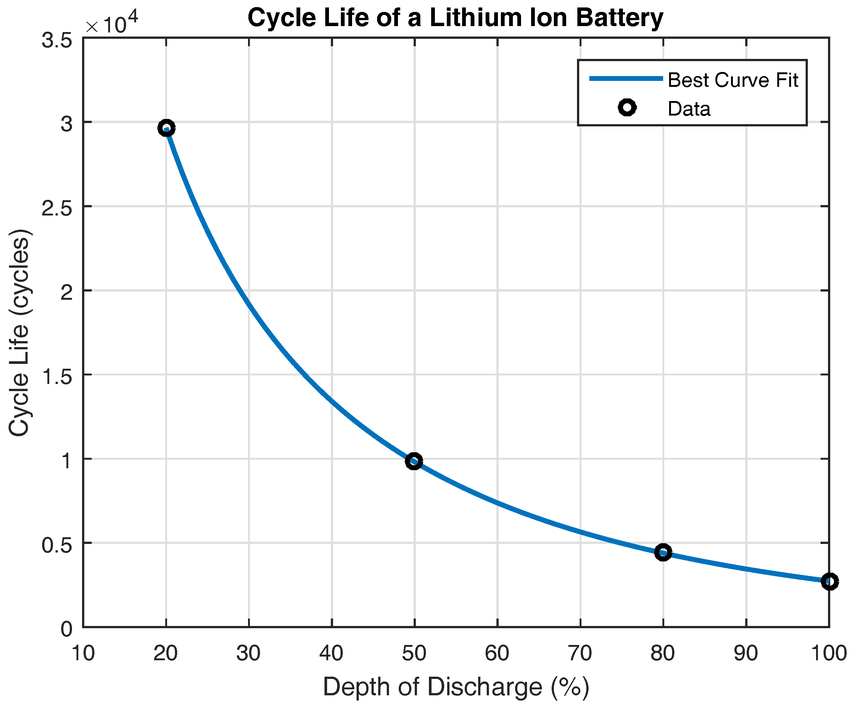
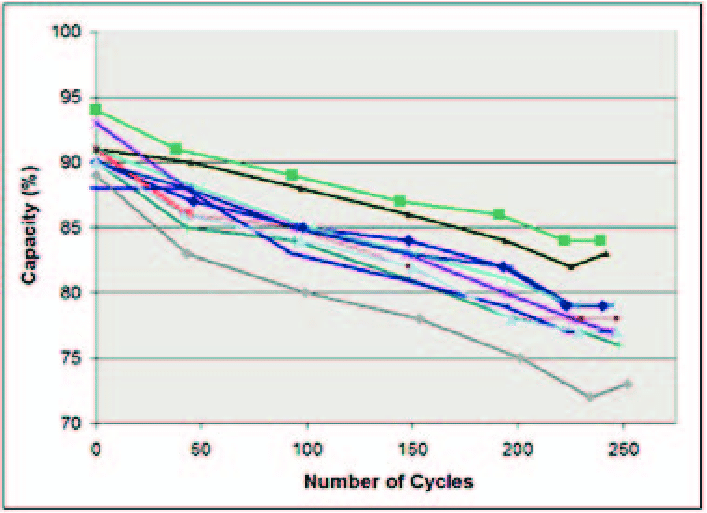
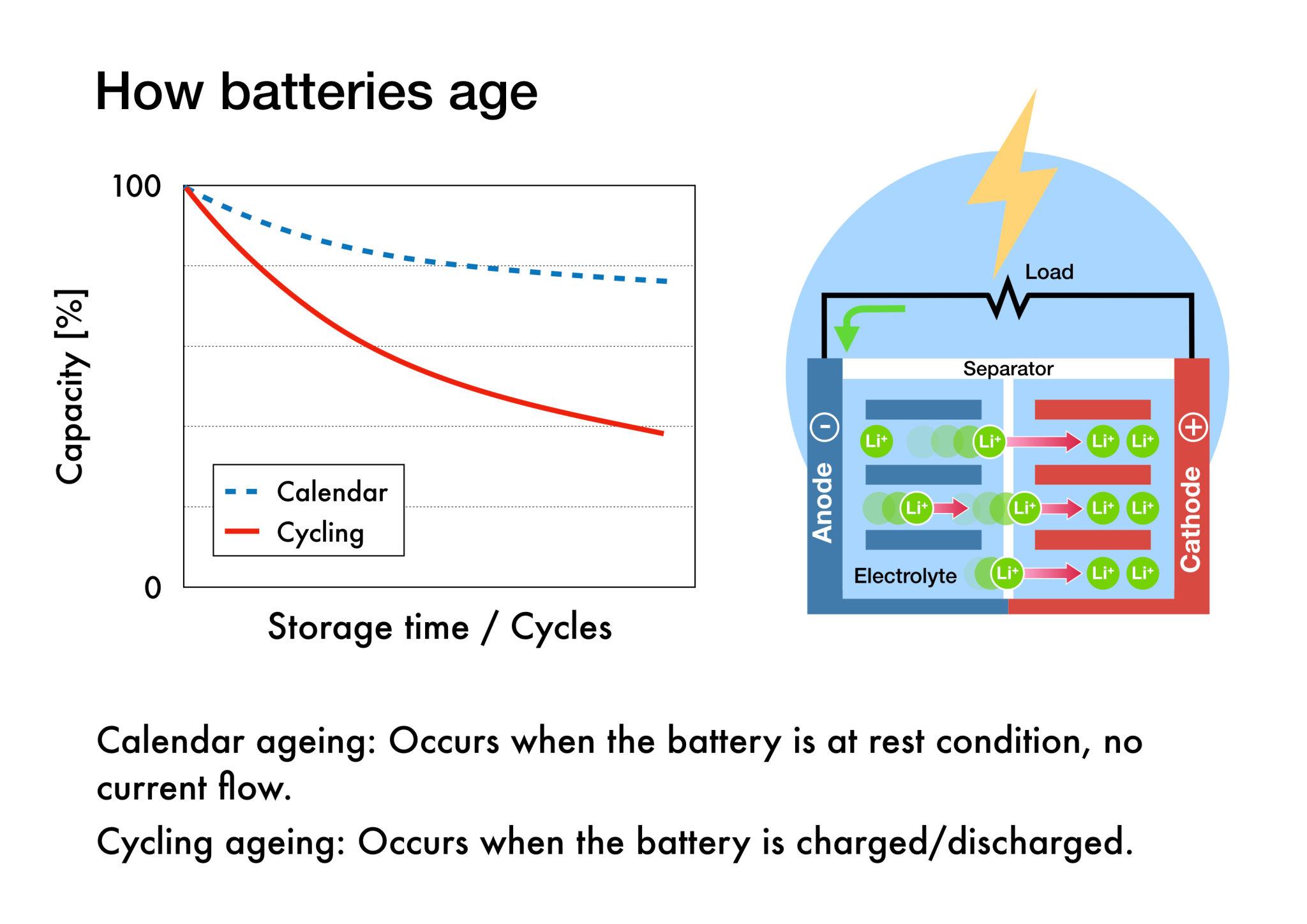
🔋 Battery life is measured in two different ways:
| Term | Meaning |
|---|---|
| Cycle Life | Number of charge/discharge cycles before capacity drops (usually to 80%) |
| Calendar Life | Lifespan due to time, regardless of use |
💡 Key Insight
Even unused batteries degrade due to chemical aging. Heat and high state of charge accelerate calendar aging.
🌡️ 4. Thermal Runaway & Temperature Sensitivity
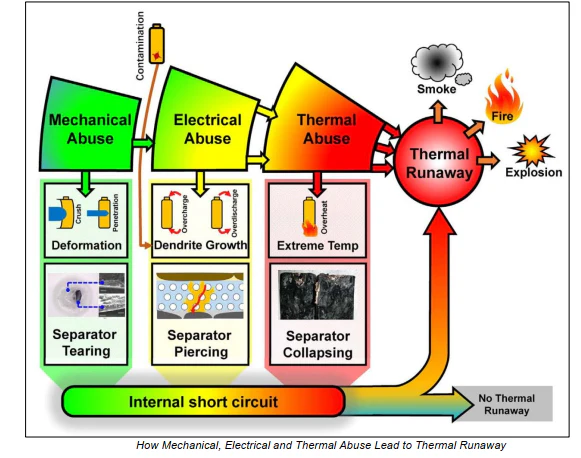
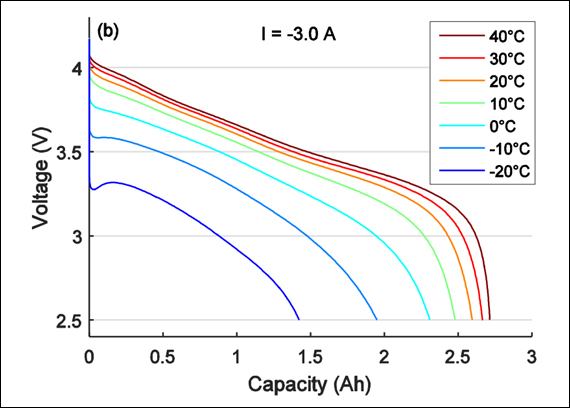
Temperature dramatically affects battery behavior.
| Temperature | Impact |
|---|---|
| Low (<0°C) | Reduced capacity & charging efficiency |
| Optimal (15–35°C) | Best performance |
| High (>45°C) | Faster degradation, safety risk |
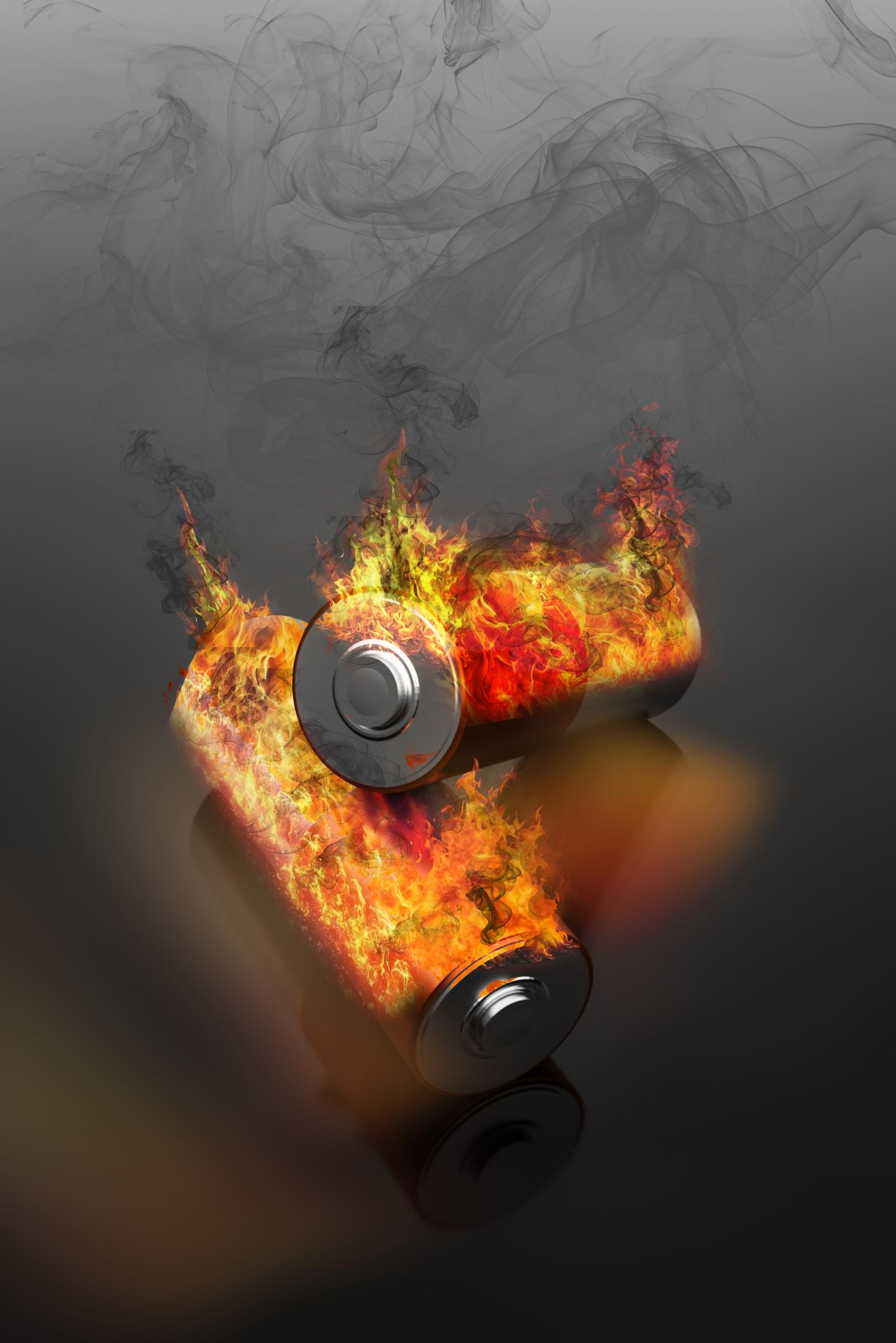
Thermal runaway is a dangerous chain reaction where heat causes more heat, potentially leading to fire in lithium batteries without proper protection systems.
⚙ 5. State of Charge (SoC) vs State of Health (SoH)
These two terms are often confused but very different.
| Term | Meaning |
|---|---|
| State of Charge (SoC) | Current battery charge level (like fuel gauge) |
| State of Health (SoH) | Overall battery condition compared to when new |
A battery may show 100% SoC but only 70% SoH — meaning it can only store 70% of its original energy.
🔌 6. Energy Density vs Power Density
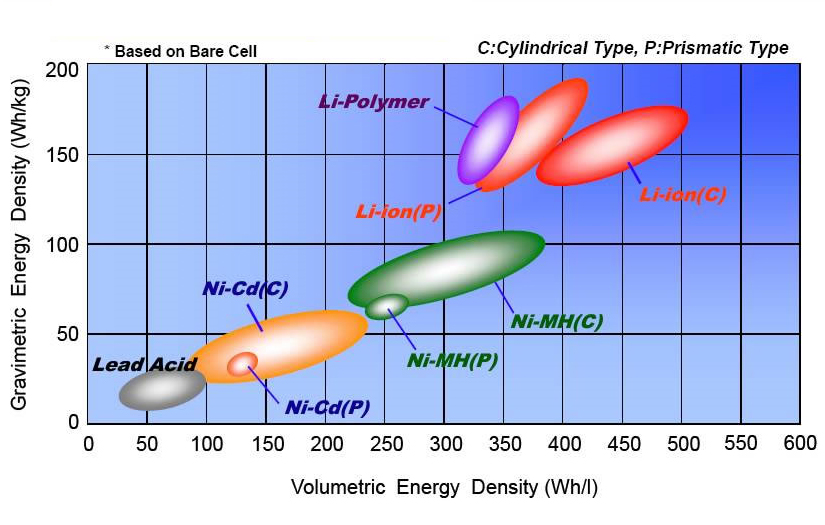
These metrics define how compact and powerful a battery is.
| Metric | Focus | Example Use |
|---|---|---|
| Energy Density (Wh/kg) | How much energy stored per weight EV driving range | EV driving range |
| Power Density (W/kg) | How fast energy can be delivered | Acceleration, tools |
High energy density ≠ high power density — different designs prioritize different goals.
🧠 7. Battery Management System (BMS)
A Battery Management System (BMS) is the brain of modern battery packs.
BMS Functions
✔ Prevent overcharge & over-discharge
✔ Balance cells
✔ Monitor temperature
✔ Protect against short circuits
✔ Estimate SoC & SoH
Without a BMS, lithium batteries would be unsafe and short-lived.
🔋 8. Self-Discharge Rate
All batteries lose charge even when unused.
| Battery Type | Monthly Self-Discharge |
|---|---|
| Lithium-ion | 1–3% |
| Lead-acid | 4–6% |
| NiMH | 15–20% |
This is critical for backup systems stored for long periods.
📉 9. Peukert’s Law (Lead-Acid Specific)
For lead-acid batteries, higher discharge current reduces effective capacity. This is described by Peukert’s Law.
In simple terms:
Lithium batteries are far less affected by this phenomenon.
Advanced Battery FAQs
1. Why does battery voltage drop under load?
Ans. Because internal resistance causes a voltage drop when current flows.
2. What kills batteries faster: heat or deep discharge?
Ans. Heat is usually the biggest factor in long-term degradation.
3. Can a battery have 100% charge but low backup time?
Ans.Yes, if its State of Health (SoH) has degraded.
4. Why do EV batteries need cooling systems?
Ans.To maintain optimal temperature and prevent thermal runaway.
5. Is fast charging bad for batteries?
Ans.Frequent high C-rate charging increases heat and long-term wear.
6. Why do lithium batteries last longer than lead-acid?
Ans. They tolerate deeper discharge, have lower internal resistance, and better energy efficiency.
🔚 Final Takeaway
Understanding advanced battery terminology helps you go beyond marketing numbers and evaluate real performance, safety, and lifespan. When you know how voltage curves, internal resistance, temperature, and battery management affect operation, you can make smarter energy decisions.
With the right knowledge, you’re not just buying a battery — you’re investing in long-term energy reliability.
Where can I get lithium-ion battery solutions in India?
Visit www.enlitso.com
Enlitso Research Team
A group of industry experts and researchers at Enlitso, working to advance lithium battery technology, promote sustainable energy, and provide insights into the evolving battery industry in India.
